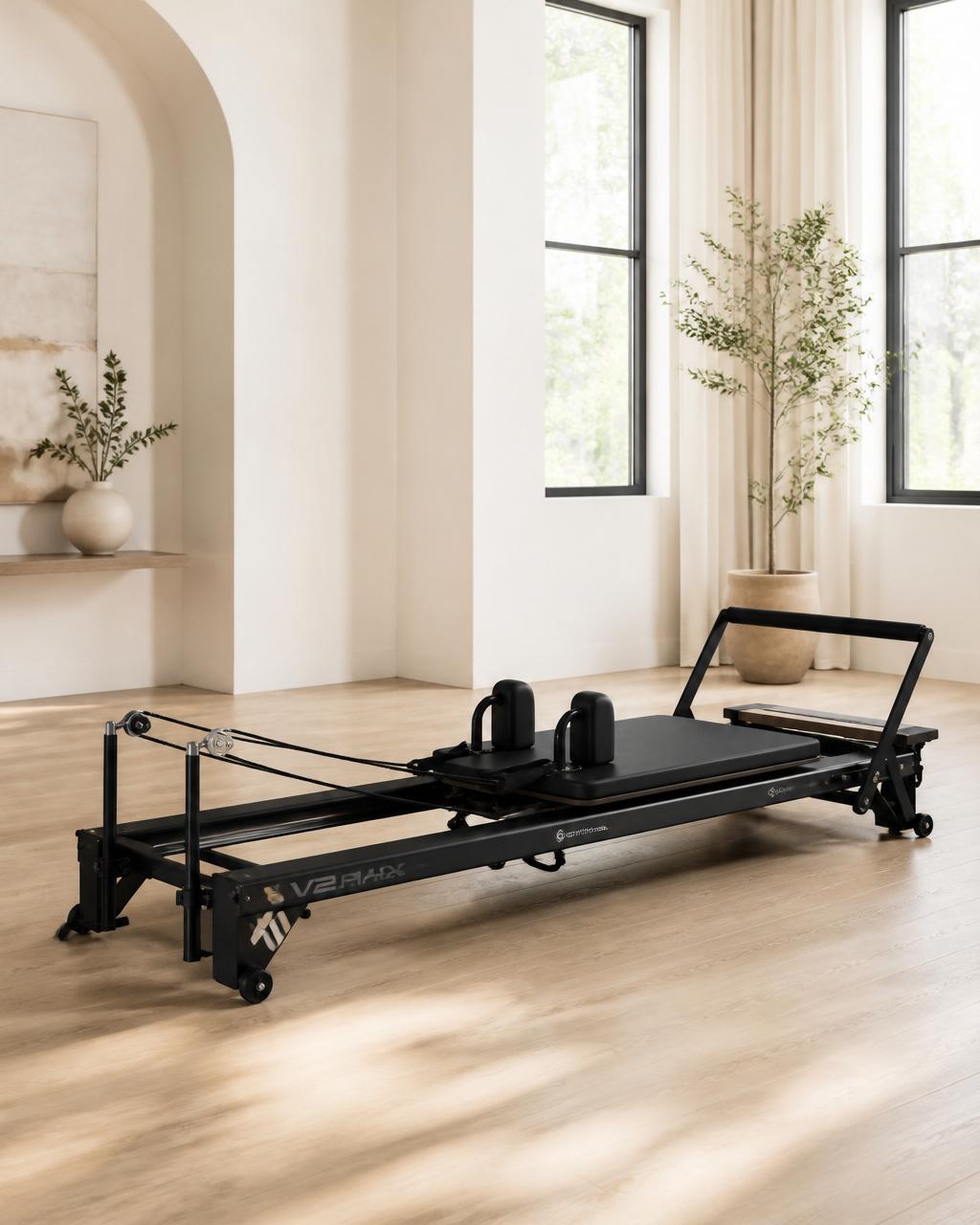
Classical and Contemporary Pilates share the same roots but take different paths. Classical follows Joseph Pilates' original sequence with precision and flow. Contemporary builds on those same principles with modern movement science, props, and modifications for today's bodies and goals. Rather than competing methods, the two work together—giving people more ways to get what they need from Pilates.
“We offer both Classical and Contemporary Pilates, blending Joseph Pilates' philosophy with modern movement science to help each client move better and feel stronger.”
Both styles share the same foundation: core strength, flexibility, balance, coordination, and controlled breathing. As Erika Turnbull, head instructor of The Studio MX, puts it, “they are simply different expressions of the same philosophy.”
The difference is mainly in delivery. Classical offers a standardized, athletic flow for those who like structure and tradition. Contemporary is more adaptable, which helps beginners, older adults, or anyone recovering from injury. Having both on offer means each body and each goal can be met on its own terms.
“Some days clients want an energetic, challenging workout—other days something slower and more mindful. Blending Classical and Contemporary lets every session feel suited to how they want to move.”
Ultimately, the best Pilates method is the one that keeps you engaged, supports your body, and helps you feel your best—and with both disciplines available, that choice doesn't have to be either/or.
To learn more about The Studio MX, visit thestudiomx.com or message us on WhatsApp at +523222395067.
Ready to try both?
Book a Classical or Contemporary session at either Puerto Vallarta studio.
← All articles